

What Is Fire-Safe Wood?
Fire-safe wood refers to wood products that have been specially treated or engineered to improve their reaction to fire compared with untreated timber.
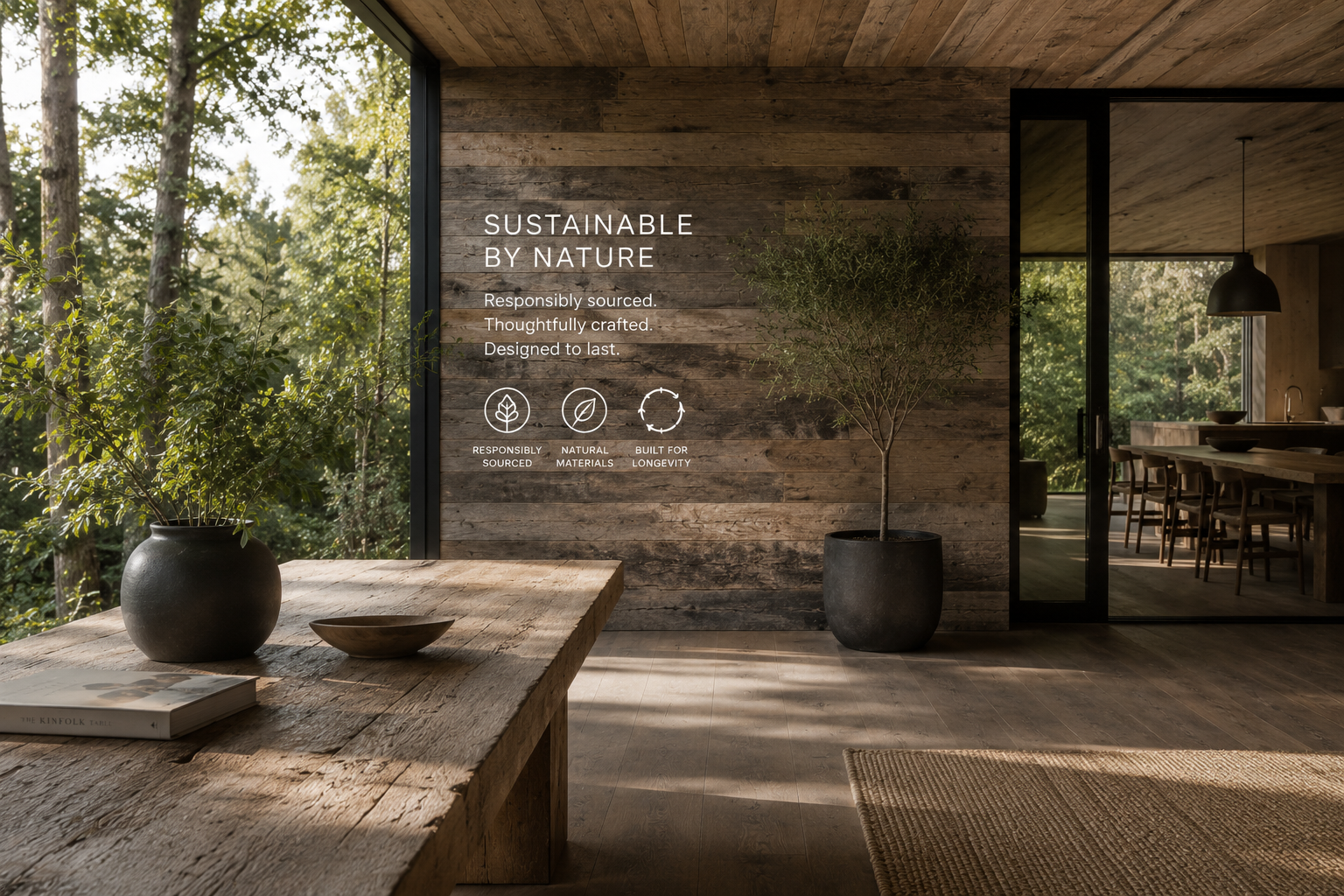
What Makes Wood Sustainable?
Sustainable wood begins with responsible sourcing. This means selecting timber from forests that are carefully managed to support regeneration, biodiversity, and long-term forest health.
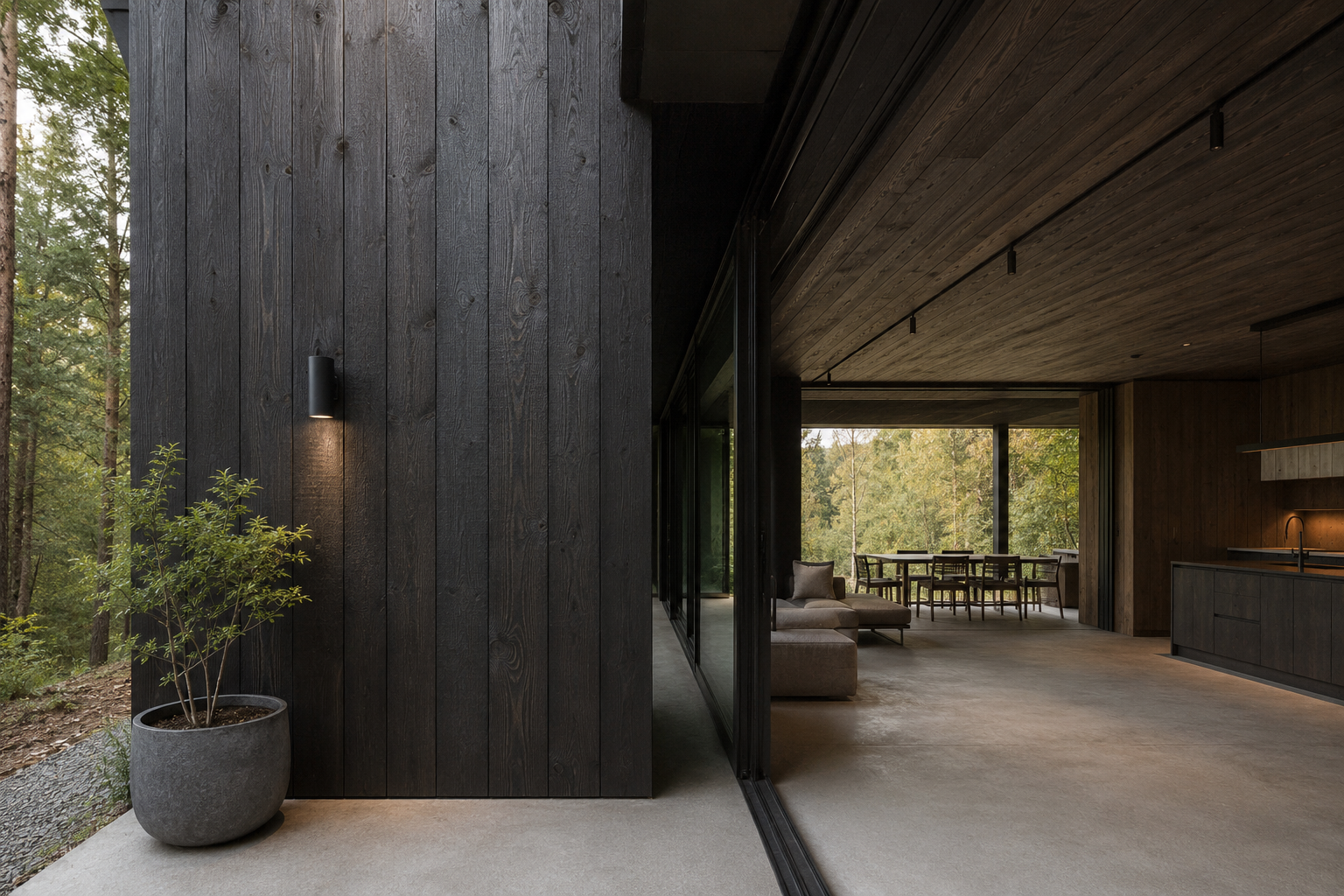
Shou Sugi Ban
Traditional Shou Sugi Ban achieves its distinctive appearance by charring the surface of wood. While beautiful, a heavily carbonized surface can be delicate and may produce soot or flaking depending on the finish.

5 Ways to Bring Warmth & Character to the Modern Office with Wood
The modern office has become increasingly clean, open, and minimal. Glass walls, steel, concrete, and neutral surfaces create clarity—but without natural materials, they can also leave a space feeling cold.
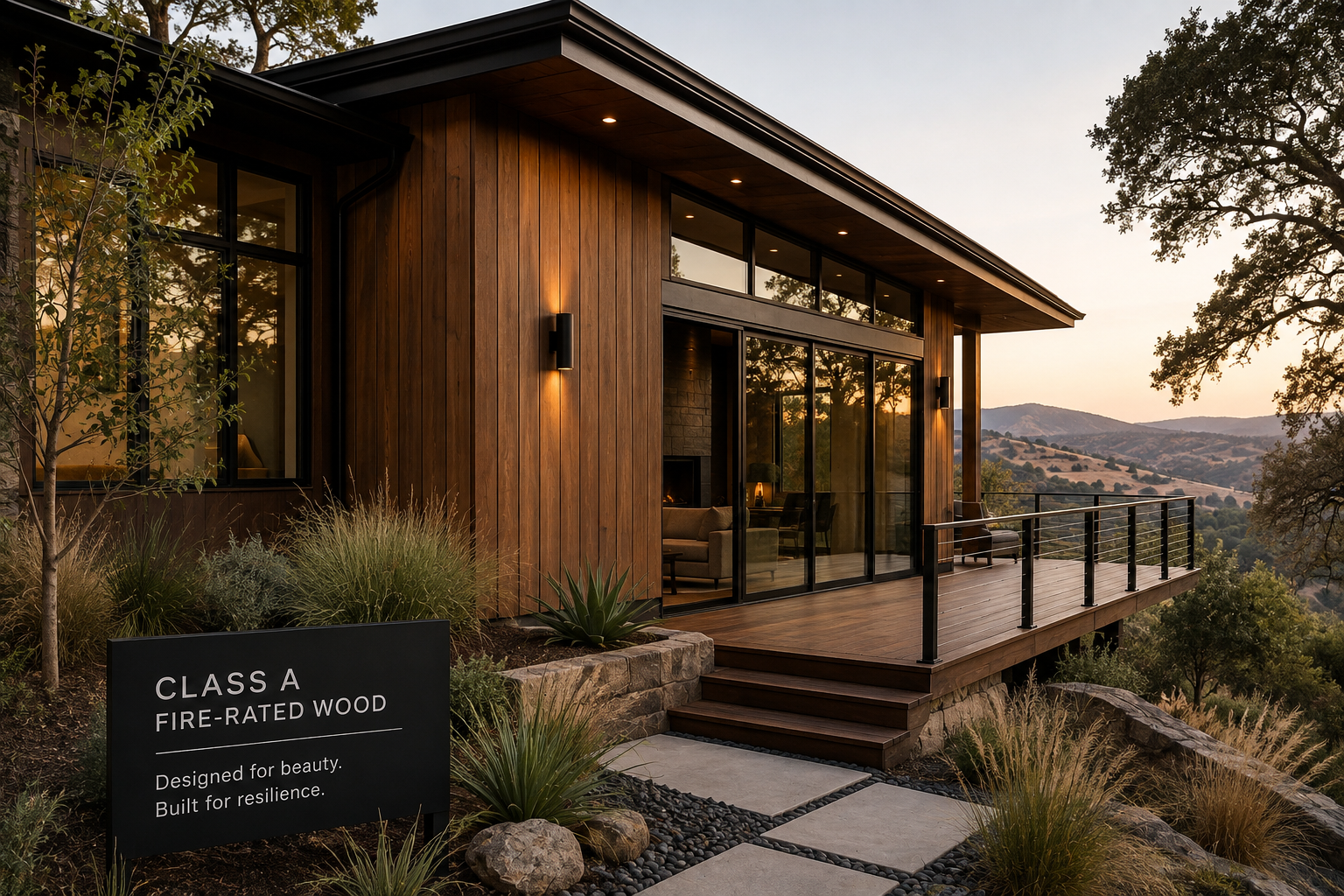
Class A Fire-Rated Wood
For homes in California, Malibu, and other areas where wildfire is part of the environment, exterior wood should be considered not only for its beauty and durability, but also for its tested fire performance.
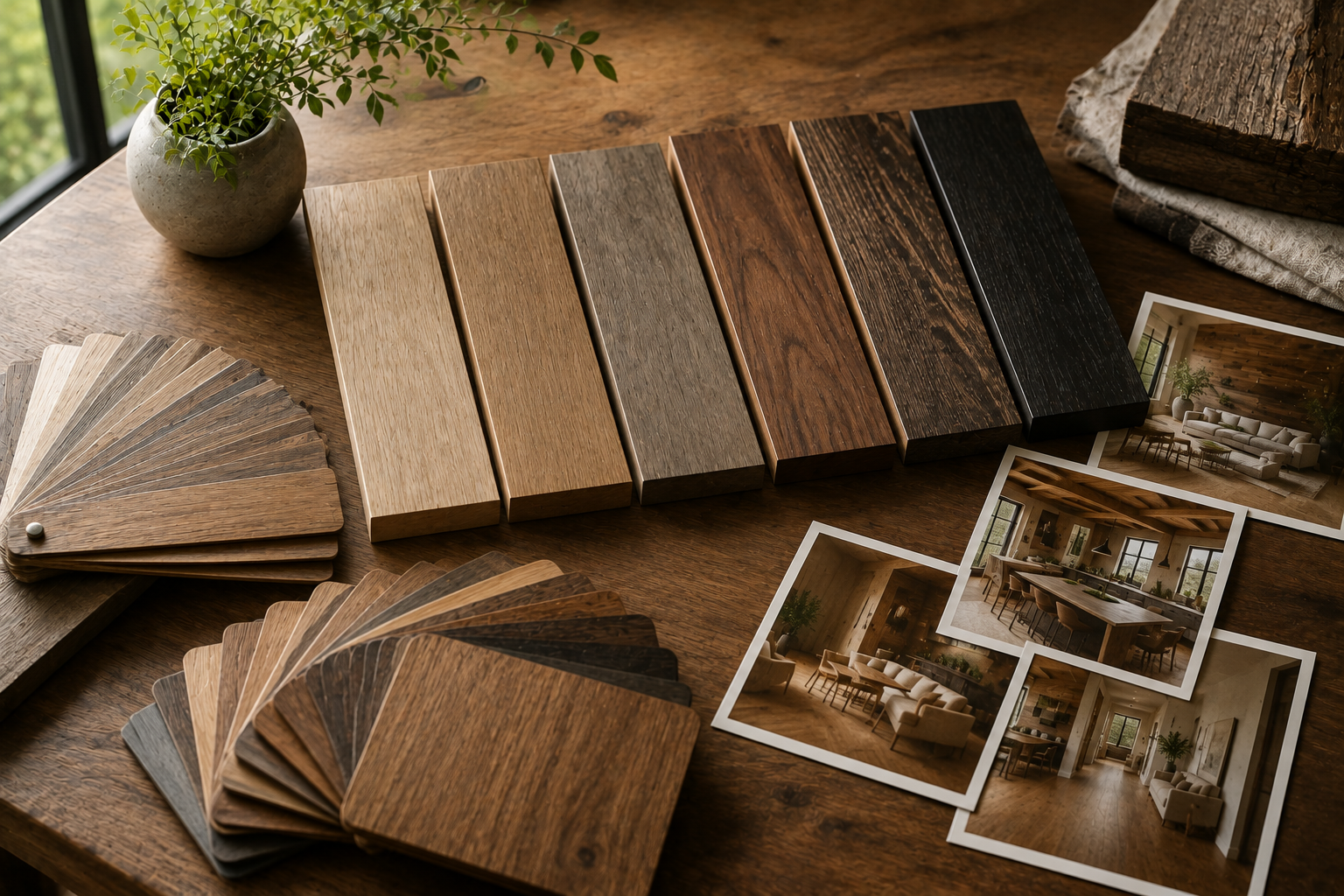
Choosing the Right Wood for Your Space
Choosing wood for a home is about more than selecting a color or finish. The right material should feel connected to the architecture, respond well to its environment, and become more beautiful with time.
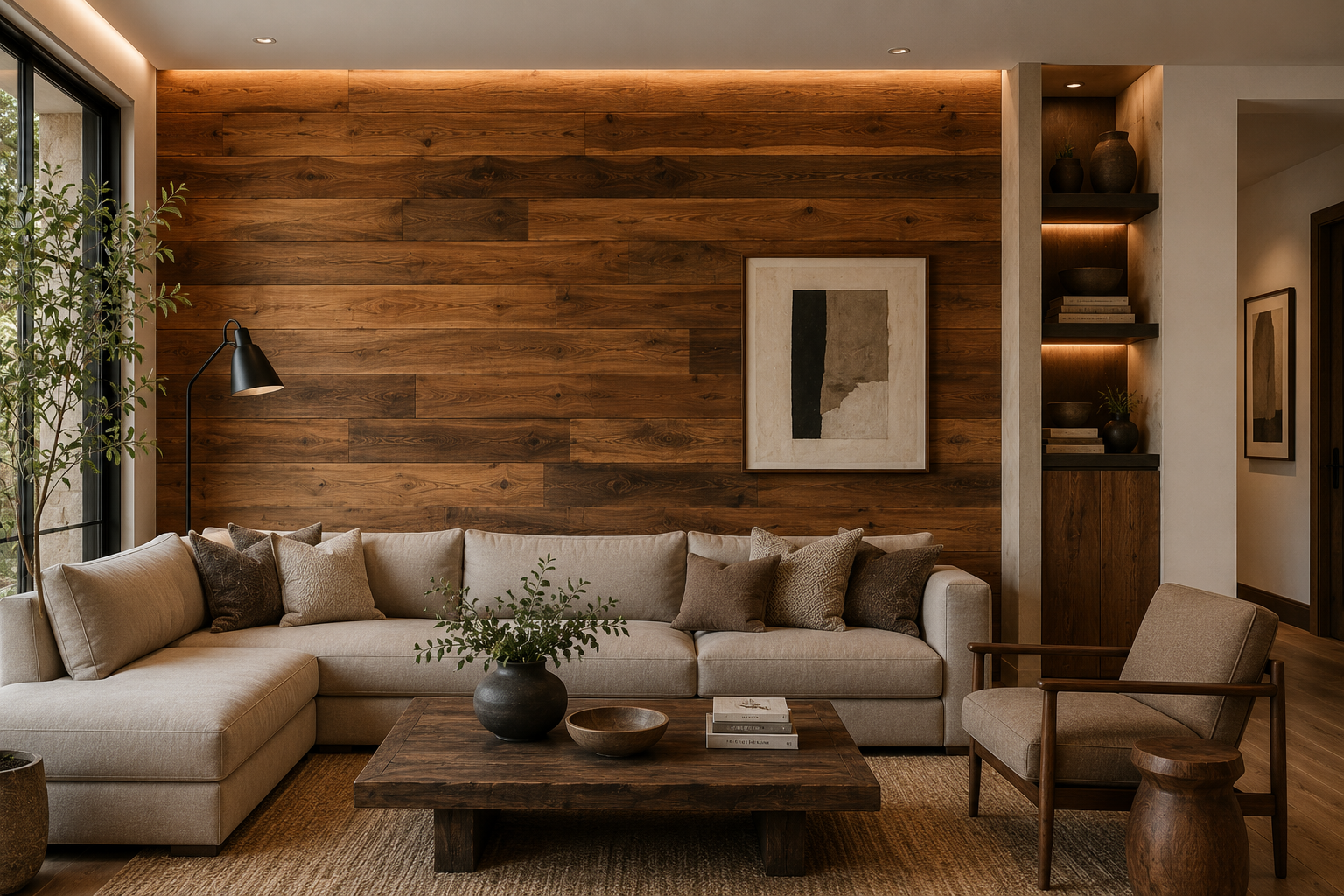
Wood Wall Paneling: Bringing Warmth, Texture & Character Indoors
One of the qualities we love most about wood is that it doesn't remain perfectly unchanged. Natural wood responds to light, air, and everyday life. Over time, its color may deepen or soften, developing a patina that becomes part of the story of the space.

Thermally Modified Wood: A Natural Choice for Decks & Railings
Wood naturally expands and contracts as its moisture content changes. Thermal modification reduces the wood's ability to absorb moisture, helping it remain more dimensionally stable through changing weather conditions.
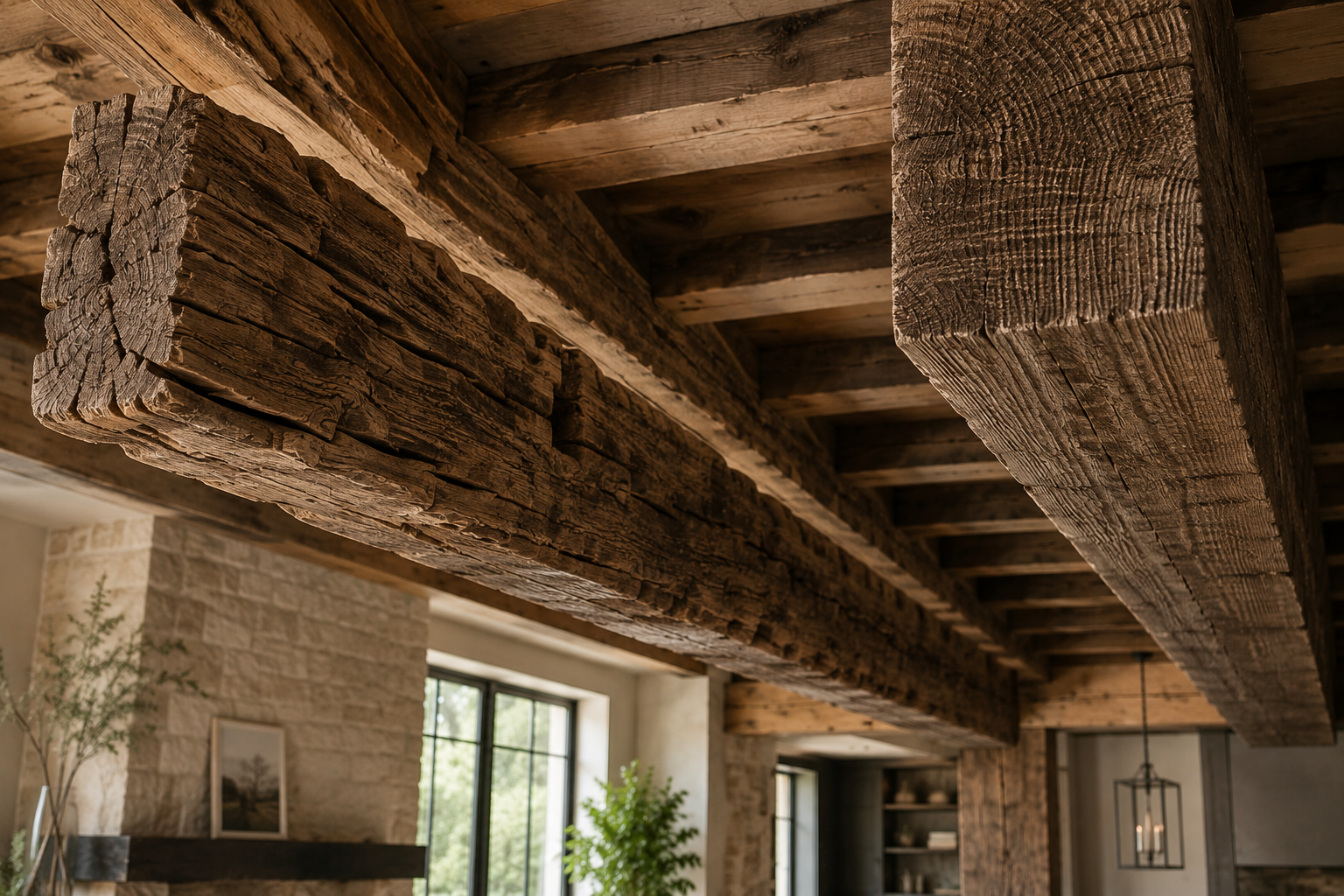
Hand-Hewn vs. Rough-Sawn Beams
There is something about an old timber that new material cannot quite reproduce. The softened edges, axe marks, saw patterns, checking, and variations in color are evidence of how the wood was worked—and of the life it lived before becoming part of a new space.